
Contraction Cleaning In the construction industry, the completion of a project marks the beginning of a new phase: contraction cleaning. This crucial step ensures that the newly constructed space is ready for occupancy and use. The transformation from a construction site to a fully functional space involves meticulous attention to detail. Whether it’s a new building, school, office, or any other type of construction, cleaning up the site properly is essential. In this article, we’ll explore what contraction cleaning involves, why it’s important, and how to go about it effectively.
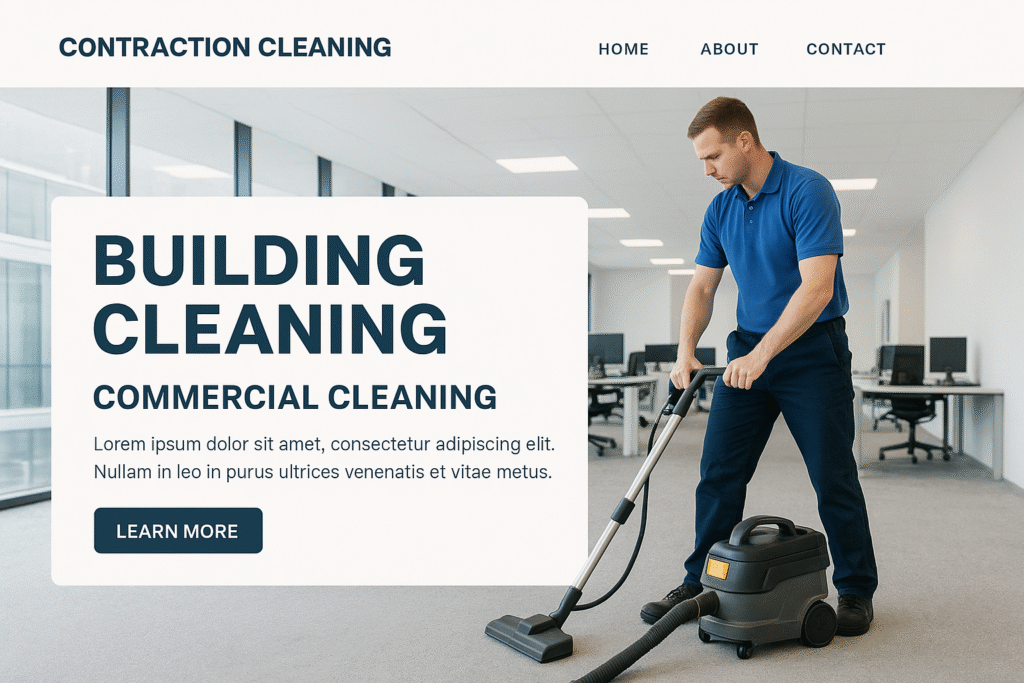
The construction process is inherently messy, with various materials and debris accumulating throughout the project. Contraction cleaning serves as the bridge between construction and occupancy, ensuring that the environment is not only clean but also safe for its intended use. Proper contraction cleaning doesn’t just involve surface-level tidying; it requires a comprehensive approach to eliminate all traces of construction activity. By understanding the nuances of this process, stakeholders can ensure a seamless transition from construction completion to space utilization.
Building cleaning,
often referred to as post-construction cleaning, involves the thorough cleaning of a newly constructed or renovated building. The process focuses on removing construction debris, dust, and any other residue left over from construction activities. The goal is to make the space clean, safe, and ready for use, meeting the expectations of the end-users.
The specifics of contraction cleaning can vary depending on the nature and size of the project. Regardless of these variables, the emphasis remains on delivering a spotless and hazard-free environment. This phase is crucial not only for aesthetic purposes but also for ensuring that the building complies with health and safety regulations. In the following sections, we’ll delve deeper into the different stages of contraction cleaning and their significance.
- Rough Cleaning: This is the initial phase of cleaning that occurs before the final touches are added. It involves removing larger items like debris, leftover materials, and any trash that might be present on the site. Rough cleaning sets the stage for more detailed cleaning efforts by clearing the bulk of the mess.
Rough cleaning is essential because it clears the space for subsequent tasks, allowing workers to focus on finer details without the distraction of clutter. This phase may also involve preliminary sweeping and dusting to remove loose dirt and dust that can complicate further cleaning efforts. By addressing the larger debris first, the cleaning process becomes more manageable and efficient.Contraction Cleaning
- Final Cleaning: This phase is more detailed and involves cleaning areas that might not have been fully addressed during rough cleaning. It includes washing windows, dusting surfaces, and ensuring that all spaces are pristine. Final cleaning is about paying attention to detail and ensuring every corner is addressed.
During final cleaning, specialized tasks such as polishing fixtures, scrubbing floors, and sanitizing surfaces are undertaken. The aim is to leave no stone unturned, creating an environment that is not only visually appealing but also hygienically sound. This stage often involves collaboration with other teams to ensure that all aspects of the building, from electrical systems to plumbing, are in optimal condition.
- Touch-Up Cleaning:
- Often performed a few days after the final cleaning, this phase addresses any minor issues that may have appeared, such as dust settling after initial cleaning efforts. It ensures that the space maintains its cleanliness and is ready for inspection or occupancy.
Touch-up cleaning is crucial in maintaining the space’s readiness, particularly for high-profile projects where appearances matter significantly. This phase can involve revisiting areas that experience high foot traffic or those exposed to elements that might reintroduce dirt or dust. Regular touch-ups ensure that the space continues to meet the high standards expected post-construction.
Safety is a top priority on any construction site.
Construction debris, dust, and leftover materials can pose significant health risks. Inhaling dust can lead to respiratory issues, and physical debris can cause injuries. A thorough contraction cleaning helps eliminate these hazards, ensuring the safety and health of the occupants.
Moreover, effective contraction cleaning reduces the risk of allergic reactions and other health-related concerns that might arise from construction residues. By ensuring that the environment is free from harmful particles and debris, stakeholders can promote a healthy space conducive to productivity and well-being. The health benefits extend to everyone involved, from construction workers to future occupants.
A clean and tidy environment is more inviting and visually appealing. Whether it’s a new office or a school, the first impression matters. Proper contraction cleaning ensures that the new space looks its best, enhancing its aesthetic appeal and making it more welcoming for its intended use.
The visual impact of a well-cleaned space cannot be understated, especially in commercial settings where appearances are directly tied to brand image and customer perception. By investing in thorough cleaning practices, businesses can create an environment that reflects professionalism and attention to detail. This not only boosts morale but also sets the tone for future interactions within the space.
After construction, it’s essential to ensure that all systems and utilities are functioning correctly. Contraction cleaning not only involves cleaning but also checking that everything is in working order. This includes checking light fixtures, plumbing, and other essential systems.
A functional space is one where all systems work seamlessly,
contributing to the overall efficiency and user experience. During contraction cleaning, minor issues that might affect functionality, such as loose fixtures or blocked vents, can be identified and rectified. This proactive approach prevents disruptions and ensures that the building is fully operational from day one.
Before starting the cleaning process, it’s crucial to assess the area thoroughly. Identify the types of debris and the extent of cleaning required. This assessment will help in planning the cleaning process efficiently and allocating resources where they are most needed.
A comprehensive assessment involves not only a visual inspection but also consultations with construction teams to understand potential problem areas. By pinpointing specific challenges early on, cleaning teams can devise strategies that address these issues effectively, ensuring a smooth and efficient cleaning process.
Having the right tools and equipment is vital for effective contraction cleaning. This may include:
- Industrial-grade vacuum cleaners
- Brooms and dustpans
- Cleaning solutions and detergents
- Safety gear, such as gloves and masks
- Trash bags and bins
Equipping the cleaning team with the right tools is essential for achieving the desired level of cleanliness. Each piece of equipment serves a specific purpose, from handling heavy debris to ensuring surfaces are sanitized. By investing in high-quality tools, the cleaning process becomes more efficient, reducing time and labor costs.Contraction Cleaning
The first step in the actual cleaning process is the removal of construction debris. This includes leftover materials like wood, metal, and packaging. It’s essential to dispose of these materials properly, adhering to local waste management regulations.
Proper disposal is critical not only for environmental considerations but also for maintaining compliance with local regulations. By following established waste management practices, construction teams can minimize their ecological footprint and contribute to sustainable building practices. Clear communication with waste management services ensures that materials are disposed of responsibly.
Dust can settle on all surfaces, including floors, walls, and ceilings. Use appropriate cleaning solutions to wipe down all surfaces thoroughly. Pay special attention to corners and hidden areas where dust can accumulate.
Thorough dusting involves more than just a quick wipe-down; it requires attention to detail to ensure that every surface is free of particles. This step is crucial in preventing allergens and maintaining indoor air quality. Regular dusting during the construction phase can also mitigate the build-up of dust, making the final cleaning process less daunting.
Windows and light fixtures often collect a significant amount of dust during construction.
Ensure they are cleaned properly to enhance both the appearance and functionality of the space. Clear windows allow natural light to illuminate the space, contributing to a pleasant ambiance.
Cleaning fixtures is equally important as it ensures that lighting is optimal, enhancing the overall look and feel of the space. Clean fixtures contribute to energy efficiency, as dust and dirt can diminish light output, necessitating higher energy consumption. This attention to detail can result in long-term benefits, such as reduced energy costs and improved occupant satisfaction.
Floors might require special attention depending on the material. Whether it’s carpet, tile, or hardwood, use the appropriate cleaning method to ensure they are spotless and free of construction residue. Each flooring type requires a unique approach to maintain its integrity and appearance.
Specialized cleaning methods can include steam cleaning for carpets, polishing for tiles, and specific treatments for hardwood floors. By employing the right techniques, contractors ensure that floors are not only clean but also preserved for longevity. Proper floor maintenance enhances the overall aesthetic and functionality of the space.
In some cases, it might be beneficial to hire specialized cleaning services, especially for large projects. These professionals have the expertise and equipment to handle even the most challenging cleaning tasks efficiently. Their experience in dealing with complex cleaning scenarios can save time and ensure thoroughness.
Specialized cleaning services bring a level of expertise that can be invaluable, particularly for projects with unique challenges. They offer tailored solutions that address specific needs, from handling hazardous materials to implementing eco-friendly cleaning practices. By leveraging their skills, project managers can ensure a high standard of cleanliness and safety.
Schools are unique environments that require particular attention to detail. Cleaning in schools must be thorough to ensure a healthy environment for students and staff. This includes sanitizing surfaces, ensuring classrooms are dust-free, and cleaning restrooms and common areas.
Effective school cleaning goes beyond basic tidying; it involves creating a healthy environment that supports learning and well-being. Specialized services can implement strategies that target high-touch areas, reducing the spread of germs and illnesses. By prioritizing cleanliness, schools can foster a safe and conducive atmosphere for education.
Office spaces need to be ready for productivity as soon as possible
. This involves not only cleaning but also organizing the space for optimal use. Office cleaning services focus on creating a professional and clean environment that enhances employee morale and efficiency.
A well-maintained Office Cleaning space can significantly impact employee satisfaction and productivity. By ensuring that workspaces are clean and organized, businesses can create an environment that encourages focus and collaboration. Specialized services can also offer customized solutions, such as green cleaning practices, that align with company values and sustainability goals.
Construction sites can be messy, with debris and materials scattered everywhere. Specialized construction site cleanup services focus on removing all debris and ensuring the site is safe and clean. These services ensure that the transition from construction to the next phase is seamless.
By employing professionals for construction site cleanup, project managers can focus on other critical tasks, knowing that the site will be left in pristine condition. These services often have access to equipment and techniques that can expedite the process, ensuring that timelines are met without compromising quality.
- Plan Ahead: Before the construction project is completed, have a contraction cleaning plan in place. This ensures a smooth transition from construction to occupancy. Planning includes scheduling, resource allocation, and coordination with other teams to ensure seamless execution.
- Use Eco-Friendly Products: Consider using environmentally friendly cleaning products. They are not only better for the environment but also safer for human health. Eco-friendly products reduce the impact on the environment and promote a healthier indoor air quality, benefiting all occupants.
- Regular Inspections: Conduct regular inspections after cleaning to ensure that nothing has been missed and that all areas meet the required standards of cleanliness. Inspections help identify areas that may require additional attention and ensure compliance with health and safety regulations.
- Hire Professionals: For large projects, hiring professional contraction cleaning services can save time and ensure a thorough job. Professionals bring expertise, efficiency, and reliability to the cleaning process, allowing for a focus on other important project aspects.
Contraction cleaning is a crucial step in preparing a new building for use. By ensuring that all debris is removed and surfaces are clean, you create a safe and inviting environment. Whether it’s a school, office, or construction site, proper cleaning is essential for the well-being and satisfaction of future occupants. By following the steps outlined in this guide, you can ensure that your contraction cleaning efforts are effective and efficient, providing a fresh start for any newly built or renovated space.
The importance of contraction cleaning extends beyond mere aesthetics; it plays a pivotal role in ensuring safety, functionality, and satisfaction. By adopting comprehensive cleaning practices, stakeholders can guarantee that their projects not only meet but exceed expectations, setting the stage for successful occupancy and use.